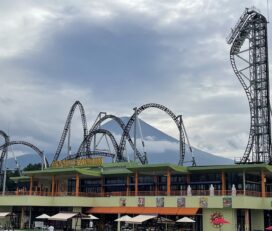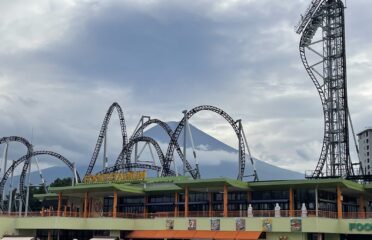
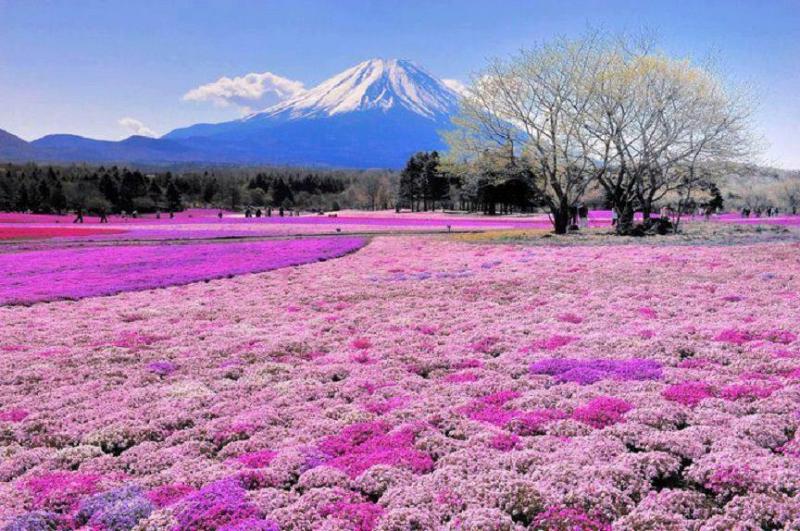
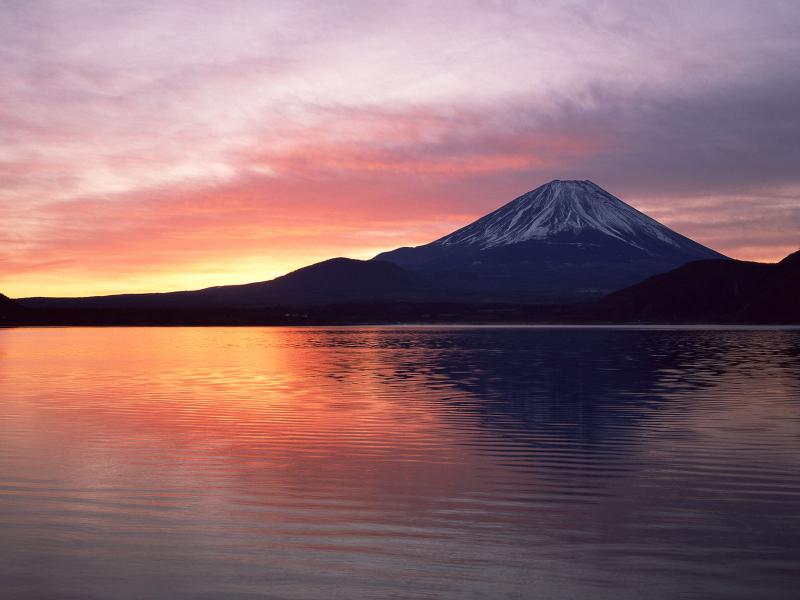
Mount Fuji does not need much introduction, but it does reward a little planning. Japan’s best-known mountain is a serious high-altitude outing as well as a beautiful landmark, and the right way to experience it changes completely with the season. If you are visiting outside the official climbing window, make the mountain part of a sightseeing day instead: admire its profile from the Fuji Five Lakes area, build a route around the foothills, or use the time to learn which trail and fifth-station approach will suit a future climb.
For climbers, the practical rule is simple: prepare first and treat the official season as the time to go. The current official climbing guidance says the 2026 season has ended, with the Yoshida, Subashiri, Gotemba and Fujinomiya trails closed from the fifth stations to the summit during winter. Outside that period, mountain huts and first-aid facilities are closed, mobile coverage can be limited, and severe weather can turn an ambitious day into a dangerous one. That is not a minor footnote; it is the difference between a memorable ascent and an avoidable rescue problem.
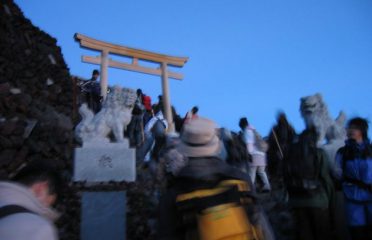
When the trails are open, choose a route deliberately, check the latest volcano and weather information, and bring proper clothing rather than relying on Tokyo temperatures. Mount Fuji is worth the effort because the experience is bigger than a summit photo: it is the long approach, the changing light, the rhythm of the climb, and the satisfaction of seeing Japan’s most famous peak from the mountain itself. Plan it well, respect the closing dates, and save the summit for conditions that make the trip genuinely enjoyable.